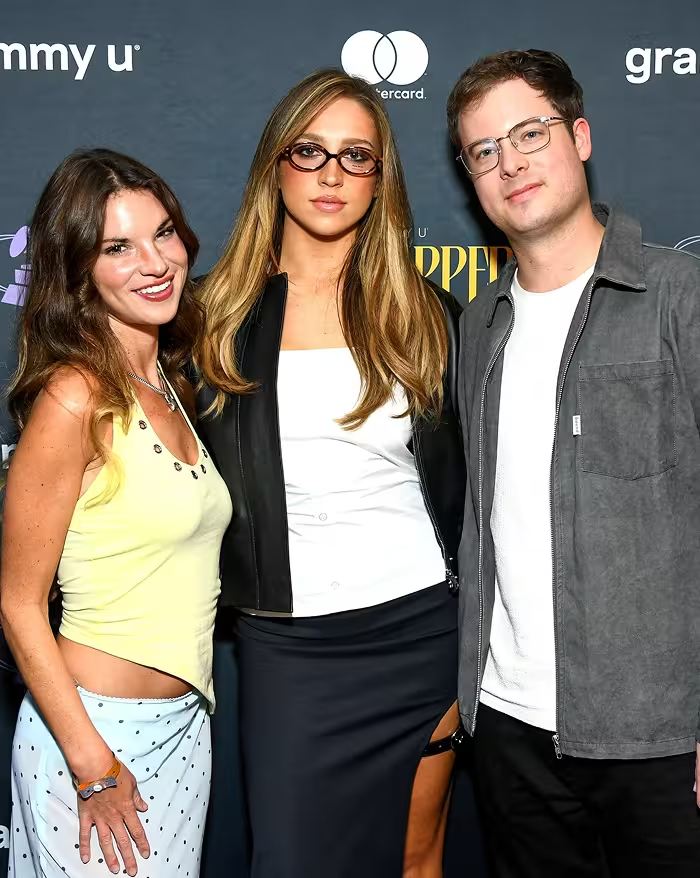
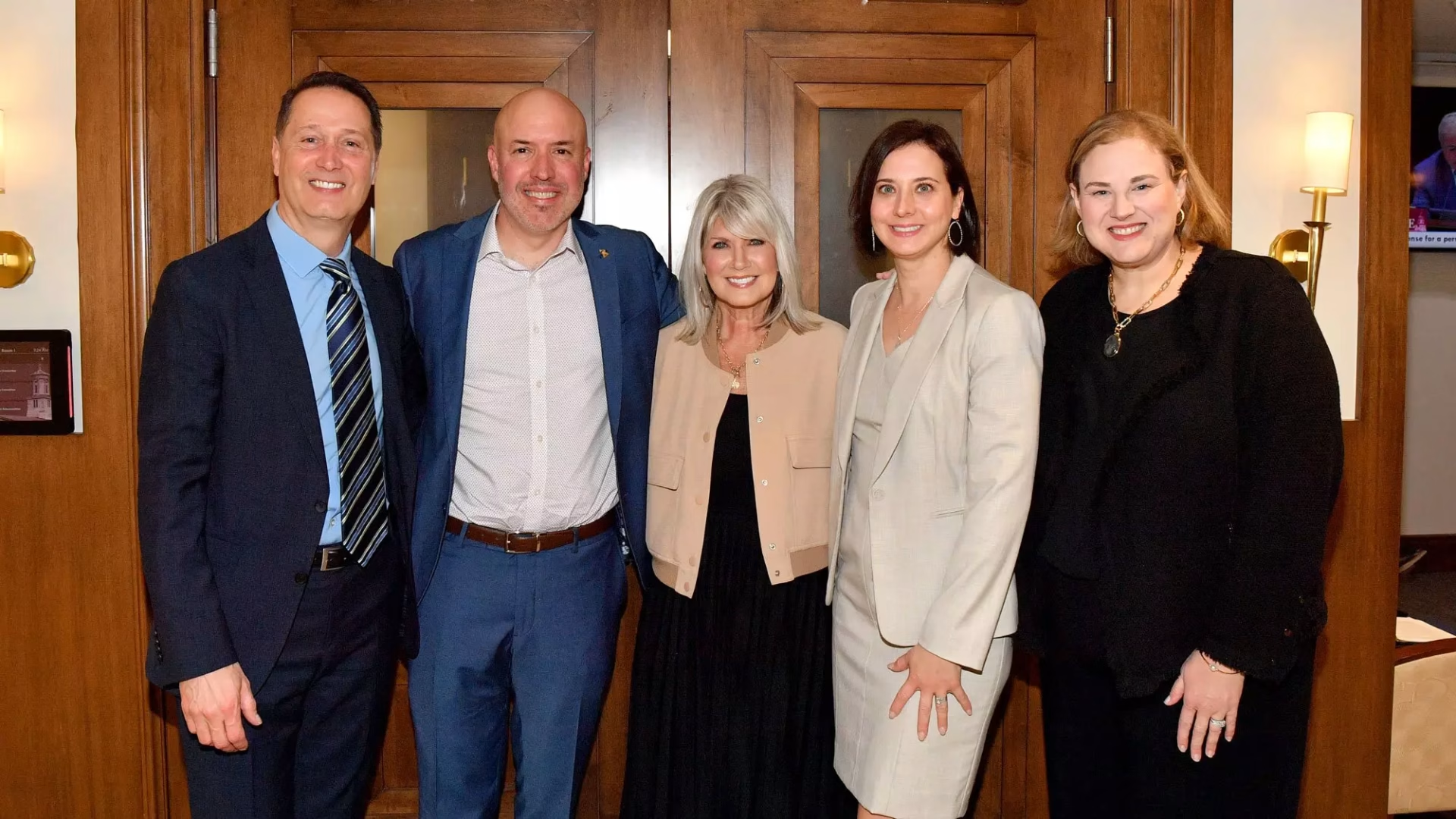
On Tuesday, Feb. 27th, the State of Tennessee continued to pave the way for pivotal legislation to protect artists' creativity. Supported by the Recording Academy since its introduction by Governor Bill Lee in January. The bill has gained significant momentum throughout the State. Amidst the halls of the Tennessee State Capitol, Recording Academy advocates, lawmakers, and industry leaders gathered for a momentous Advocacy Day, rallying behind the groundbreaking legislation known as the ELVIS Act — Ensuring Likeness Voice and Image Security (HB 2091/SB 2096).
Two hearings on Tuesday propelled the bill forward with unanimous passage in both the Senate Commerce and Labor Committee and House Commerce Committee. Starting in the House, 9-time GRAMMY nominated singer-songwriter and Recording Academy Nashville Chapter Governor Natalie Grant testified in support of the bill alongside two-time GRAMMY winner and Evanescence co-founder David Hodges, who spoke on behalf of the Nashville Songwriters Association International (NSAI). Later in the day in the Tennessee Senate, 9-time GRAMMY nominated singer-songwriter Matt Maher, also a Governor for the Nashville Chapter, testified with Hodges.
“It's fitting that this bill is named the ELVIS Act, because Elvis performed so many different types of songs – from love songs to the blues, from pop songs to gospel music,” stated Grant, “but he infused them with his distinct voice, likeness, and personal qualities to create something new. Every individual should have the right to control their unique God-given qualities."
“AI frauds and fakes can impact everyone,” testified Maher. “False and unauthorized depictions driven by digital technology can destroy relationships, businesses, public trust, livelihoods and legacies. It can also tarnish the legacy of people who’ve spent a life trying to express their faith and serve their communities through their art.”
In addition to Tuesday’s committee hearings, nearly 60 music advocates, including members of the Recording Academy’s Memphis and Nashville Chapters and representatives from the RIAA and NSAI, met with key legislators throughout the day to build support for the ELVIS Act and stress the critical need to ensure that the identities of artists and all individuals are protected against AI fraud.
All of the organizations and individuals participating in the day of action were united by their common commitment to the Human Artistry Campaign, a broad coalition that promotes the ethical use of AI and understands that it can facilitate — but never replace — the fundamental human nature of our culture.
The ELVIS Act aims to safeguard the core elements of identity: voice, image, and likeness. At its core, the bill seeks to strengthen Tennessee's existing right of publicity law, extending protections to songwriters, performers, music industry professionals and any individual against the misuse of AI-generated content. In an era where technology can blur the lines between creativity and duplicity, the ELVIS Act is vital to ensure that artists' creative expressions remain authentic and shielded from exploitation.
As the ELVIS Act inches closer to becoming law, Tennessee stands on the brink of history, poised to become the first state in the nation to enact these comprehensive protections for music creators. The positive outcomes of this week’s Advocacy Day in Nashville serves as a testament to the resilience and unity of the artists and music makers.
To join the Recording Academy in this important fight, send a message to Tennessee lawmakers in support of the ELVIS Act through our action center. Your support helps lead to a future where human creativity thrives.
A Rundown Of Recording Academy Advocacy's Activities During GRAMMY Week 2024